

The Psychology of Sunshine: How Natural Light Impacts Buyer Emotion
Buyers think they're making a rational decision. And they are, mostly.
They're running numbers, comparing neighborhoods, thinking about resale value and school districts and commute times. Logic is very much in the room.
But when two homes check the same boxes and one just feels right, something else is doing the work. That something is often light.
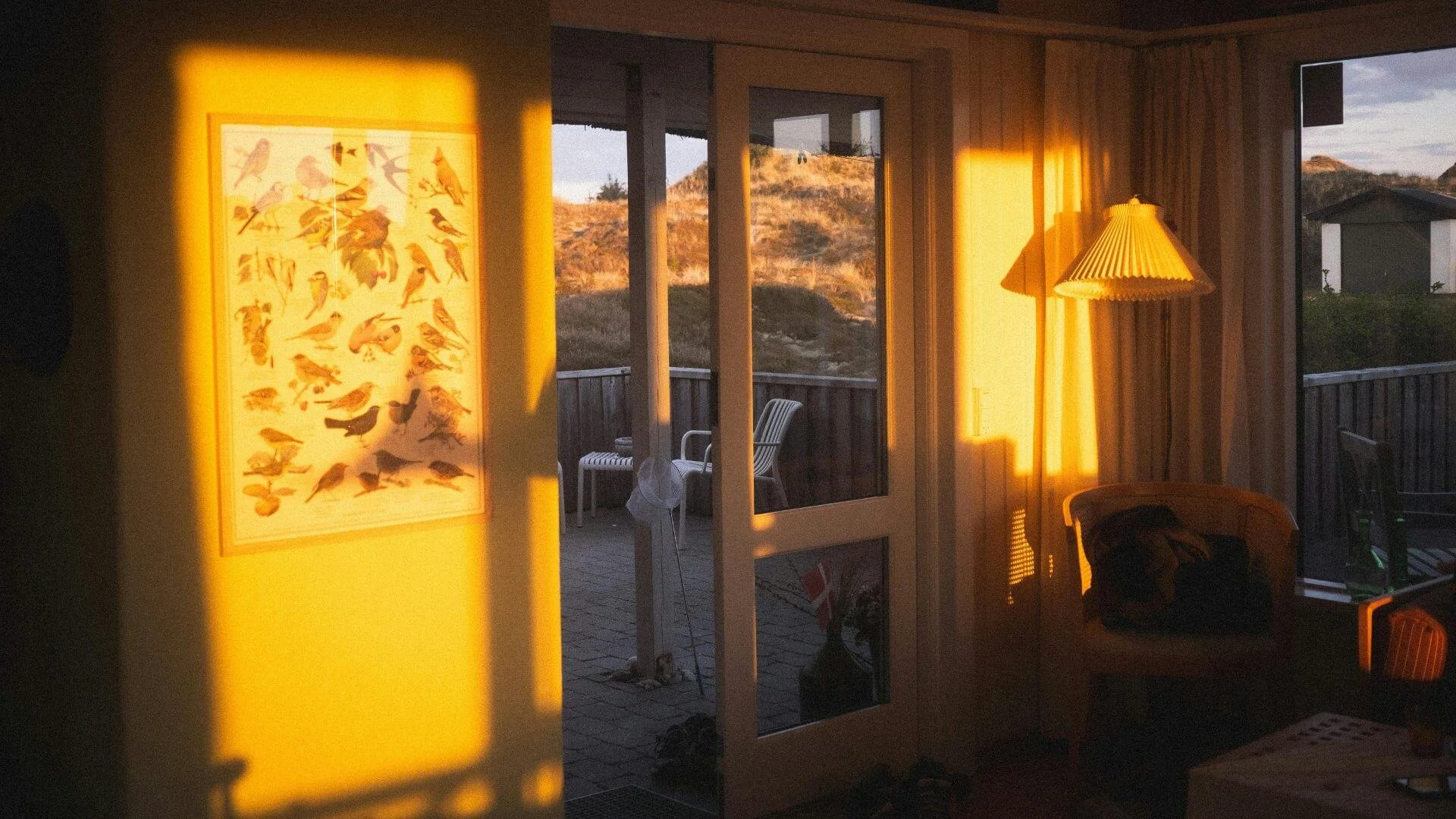
Walk into a sunlit room and something happens before you've even registered it consciously. The space feels generous. Something in you says yes before your brain has had a chance to weigh in on the countertops or the closet space.
That's not poetry. That's biology. And in real estate, it matters enormously.
Here's why natural light has such a powerful effect on buyer psychology and how it can dramatically influence perceived home value.
The Immediate Uplift: How Sunlight Creates Positive First Impressions
The moment a buyer walks into a sunlit room, their brain chemistry begins reacting almost instantly.
Exposure to natural light stimulates serotonin production, the hormone associated with:
Improved mood
Calmness
Focus
Emotional well-being
That subtle shift matters more than most sellers realize. When buyers feel good upon entering a home, they tend to connect that emotional response to the property itself. The house begins to feel welcoming and emotionally safe before the buyer has evaluated a single practical detail.
A bright home often feels:
Happier
More alive
More optimistic
More peaceful
More move-in ready
By contrast, darker homes can create feelings of heaviness or discomfort, even when they are beautifully designed. This is why two homes with similar layouts and finishes can produce completely different buyer reactions based largely on lighting conditions.
First impressions happen fast. Before buyers consciously notice countertops, appliances, paint colors, or storage space, they notice how the home feels. Sunlight creates emotional warmth immediately. Everything else comes after.
The Illusion of Space
Natural light is one of the most effective tools for making a home feel larger without changing a single structural wall.
Dark corners visually close off a room. They signal boundaries to the brain and make spaces feel more confined. Sunlight does the opposite. By flooding a room evenly, natural light softens edges and visually expands the space.
A smaller room with:
Large windows
Open sightlines
Bright reflective surfaces
...will often feel significantly larger than a bigger room with poor lighting. A bright 12x12 room can feel more spacious than a dimly lit 15x15. Vaulted ceilings feel taller when illuminated naturally. Open-concept layouts feel more seamless with consistent daylight flow.
Many buyers associate spaciousness with luxury, comfort, and higher property value. That means maximizing natural light can increase perceived square footage even when the actual dimensions never change.
Perception plays a meaningful role in real estate. A home that feels expansive gives buyers a stronger emotional and financial justification for the asking price.
Trust, Transparency, and the Feeling of Cleanliness
There's a subtler psychological layer here that doesn't get talked about enough.
Darkness creates uncertainty. Shadows can make buyers wonder what's being hidden: water damage, mold, poor craftsmanship, neglect. That anxiety is quiet but real, and it works against the emotional connection a seller needs buyers to form.
Bright spaces reduce that anxiety. A naturally illuminated home feels:
Cleaner
Better maintained
More transparent
More trustworthy
Buyers can clearly inspect walls, flooring, finishes, corners, and ceilings. That visibility lowers psychological tension during showings. There's a reason photographers, designers, and luxury hotels prioritize natural light so heavily. Brightness signals confidence. It signals a home with nothing to hide.
When buyers feel less anxious, they tend to linger longer. And when they linger longer, they're more likely to connect deeply with the property.
The Circadian Connection: Helping Buyers Imagine Their Future Life
Homebuying is fundamentally an exercise in visualization.
Buyers aren't just evaluating a structure. They are imagining their future routines inside it. And natural light helps them do that in ways that are almost unconscious.
Because sunlight regulates our circadian rhythms, different qualities of daylight can evoke different emotional experiences:
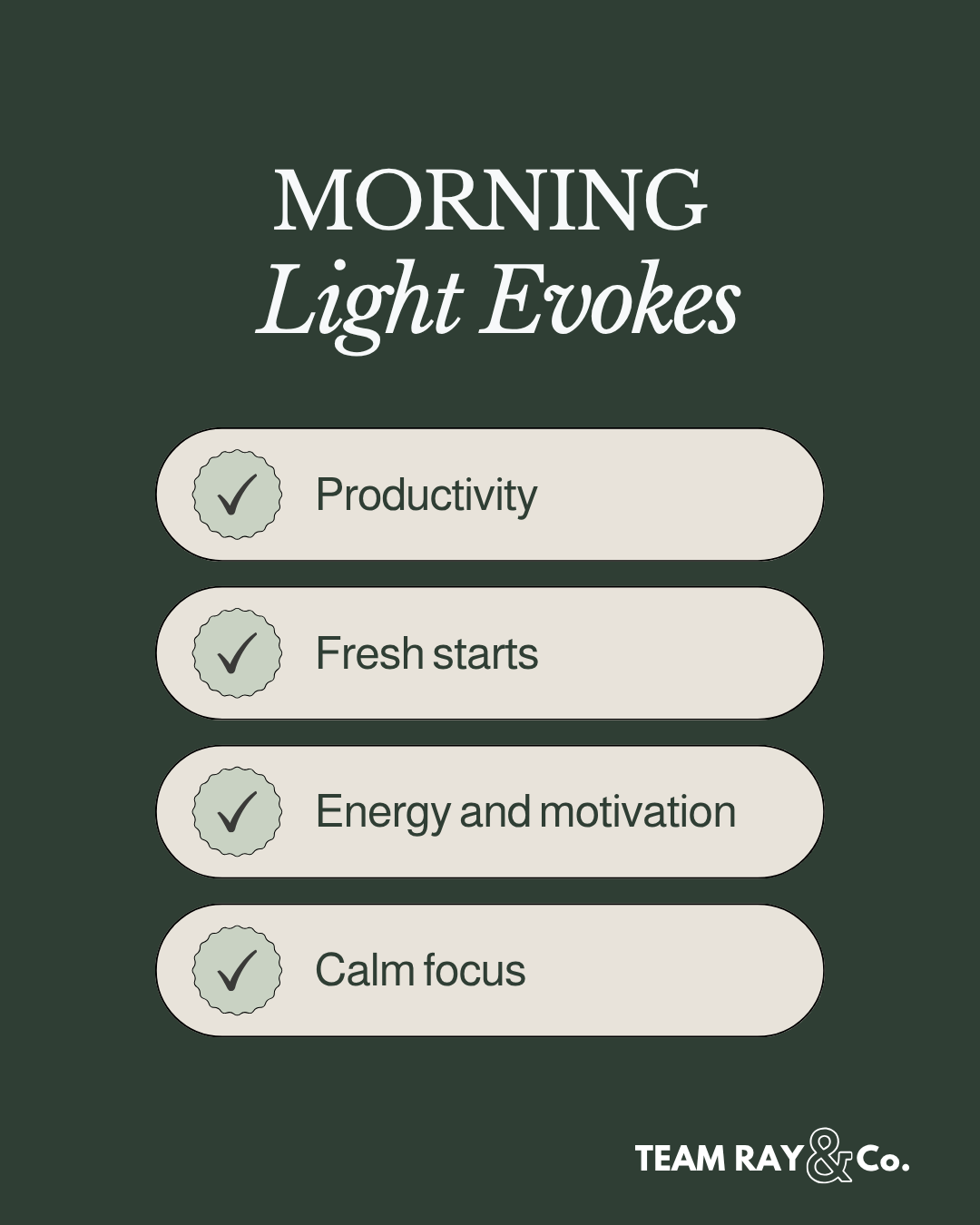
Morning light tends to create feelings of:
Productivity
Fresh starts
Energy and motivation
Calm focus
Evening and golden-hour light tends to create feelings of:
Warmth and intimacy
Relaxation
Comfort
Emotional connection
When a buyer sees morning sunlight pouring into a breakfast nook, they aren't just looking at furniture placement. They may find themselves imagining drinking coffee before work, reading quietly, feeling emotionally settled in a space that already feels like theirs.
That visualization is powerful. It can transform the home from a property into a lifestyle. And some of the strongest buyer reactions happen in that moment when someone thinks: I could live here. This feels like home.
Natural light creates the conditions for those moments.
Color Accuracy, Vibrancy, and Emotional Tone
Lighting changes everything about how buyers perceive color, texture, and materials.
Artificial lighting, especially outdated yellow bulbs or harsh cool LEDs, can distort interior finishes and flatten the atmosphere of a room. Natural light reveals colors more accurately and dynamically throughout the day.
Sunlight enhances:
Paint colors
Wood grain
Stone textures
Fabric tones
Architectural details
Even modest finishes can appear more premium under strong natural lighting. Different lighting temperatures tend to create different emotional responses:

Buyers may not consciously analyze these differences. But they often react to them. And that reaction can influence whether a home feels updated, luxurious, fresh, and worth the asking price.
Closing the Deal with Daylight
For sellers, natural light is one of the most cost-effective staging tools available. Simple adjustments can meaningfully improve buyer perception:
Clean the windows thoroughly
Remove heavy drapes
Open blinds before every showing
Trim landscaping that blocks windows
Use mirrors to reflect daylight deeper into rooms
Replace outdated bulbs with balanced lighting
In some cases, the difference between a home feeling average and exceptional comes down to how light moves through the space.
Because ultimately, buyers aren't only responding to architecture. They're responding to how a place makes them feel.
And sunlight has a unique ability to make a house feel happier, healthier, and more like home.
