

The Nature of Value: 5 Biophilic Design Features That Increase Home Value
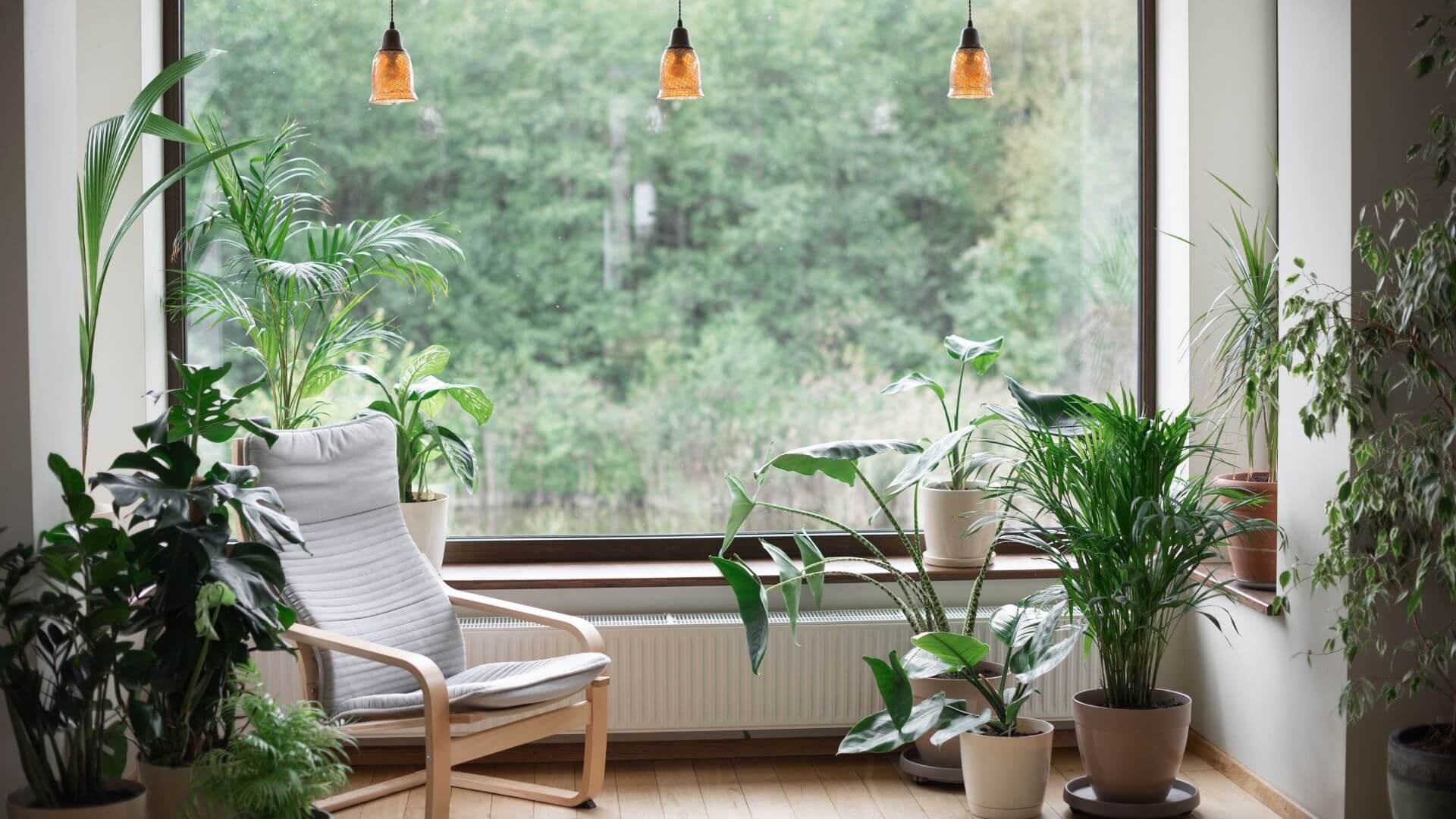
Something is happening in real estate that doesn't show up on the comps.
Buyers are walking into homes and feeling something shift in their bodies. A slowing down. An exhale. And then they're making offers.
That feeling has a name. It's called biophilic design. And it has quietly become one of the most powerful forces in how homes are valued today.
At its core, biophilic design is the practice of integrating natural elements into the built environment. But what it actually does in real estate is subtler than that. It changes how a home feels. And emotion drives buying decisions far more than most sellers ever realize.
Homes with strong natural light, organic materials, living greenery, and wellness-centered design tend to:
Photograph better
Show better during tours
Create stronger emotional responses
Feel more luxurious
Command higher perceived value
Here are five biophilic features worth paying attention to.
1. Floor-to-Ceiling Windows and Natural Light
This one isn't subtle. Walk into a home flooded with natural light and your nervous system notices before your brain does.
Bright homes feel larger, cleaner, healthier. Floor-to-ceiling windows amplify that effect by doing something designers call creating a "visual connection with nature." The landscape stops being something you look at through a frame. It becomes part of the room itself.
In urban and suburban environments where buyers are quietly craving openness, this is almost impossible to overprice. Modern buyers are also increasingly associating natural light with real wellness benefits:
Better sleep quality
Improved mood
Increased productivity
Healthier circadian rhythms
From a resale perspective, expansive glazing creates instant visual impact in listing photography and during showings. High-value upgrades in this category include:
Black-frame minimalist windows
Sliding glass walls
Oversized patio doors
Skylights
Energy-efficient glazing systems
When done thoughtfully, these upgrades make a home feel architecturally elevated. Not just remodeled. There's a difference, and buyers feel it.
2. Living Walls and Indoor Greenery
Houseplants have always been part of interior design. Biophilic homes take greenery somewhere further.
Living walls are vertical plant installations with built-in irrigation, and they've become a signature feature in luxury residential design. Whether installed in a kitchen, entryway, stairwell, or dining space, they create a "wow factor" that buyers carry with them long after leaving the property.
Part of what makes them work is what they soften. Contemporary interiors lean heavily on glass, steel, concrete, and minimalist finishes. Living greenery introduces texture, movement, and warmth that makes those spaces feel less like showrooms and more like somewhere you actually want to live.
Indoor greenery may also:
Improve air quality
Filter VOCs (Volatile Organic Compounds)
Add humidity to dry interiors
Reduce stress
Improve focus and concentration
For homeowners who don't want the maintenance demands of a full living wall, smaller upgrades still carry real weight:
Oversized statement plants
Built-in planters
Indoor herb gardens
Hanging greenery
Natural moss art installations
The key is intentionality. Greenery that feels integrated into the architecture reads completely differently than greenery that feels like an afterthought.
3. Native and Edible Landscaping
The perfectly manicured lawn is losing its grip on the imagination of buyers.
What's replacing it is something more alive. Native landscaping, xeriscaping, edible gardens. Buyers today are increasingly prioritizing sustainability, lower maintenance, and outdoor spaces that feel like something more than decoration.
Native plants thrive in local climates with less water, less fertilizer, fewer chemicals, and less intervention overall. For buyers, that translates into lower long-term ownership costs. And professionally designed native landscapes create an atmosphere that feels organic and tranquil rather than engineered and sterile.
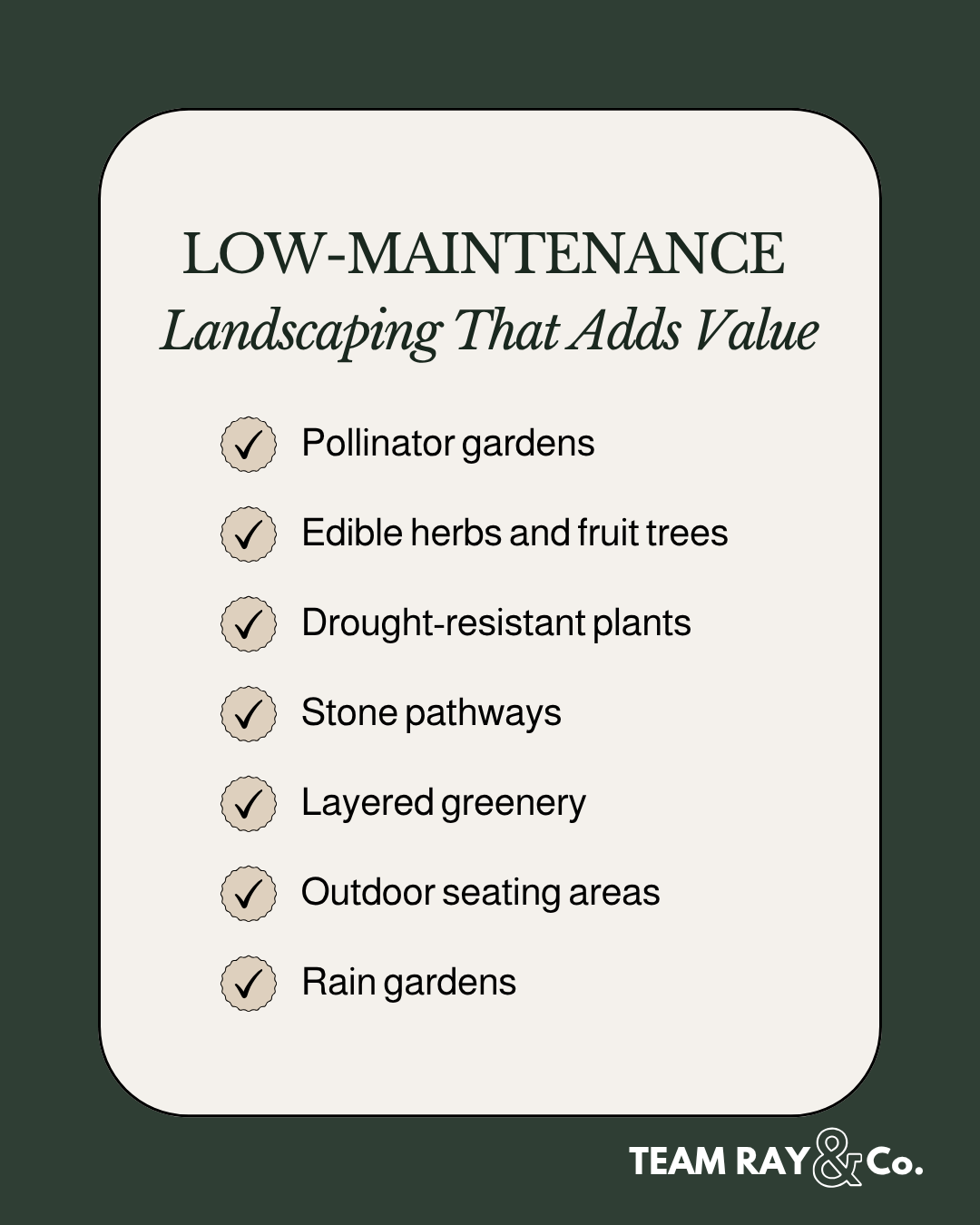
High-value landscaping features include:
Pollinator gardens
Edible herbs and fruit trees
Drought-resistant plants
Stone pathways
Layered greenery
Outdoor seating areas
Rain gardens
In higher-end homes, these elements can create the feeling of a private retreat. In any home, they matter because exterior presentation shapes buyer impressions before a person ever walks through the front door.
There's also a values dimension here worth naming. Buyers increasingly want homes that feel environmentally responsible. Sustainability has become part of what luxury means.
4. Water Features and Sensory Design
Most people talk about what a home looks like. Fewer talk about what it sounds like.
Biophilic design understands that our connection to nature isn't just visual. It's multisensory. And few sensory experiences are more immediately calming than moving water. A minimalist indoor fountain, a courtyard water wall, a reflecting pool, a backyard koi pond: water introduces a serenity that buyers often experience the moment they step into a space, before they've consciously registered why.
The sound of flowing water has been shown to:
Reduce stress
Lower heart rates
Improve relaxation
Mask traffic and neighborhood noise
Reduce mental fatigue
In luxury real estate, water features also signal something harder to manufacture: exclusivity, sophistication, intentionality. High-end resorts and wellness retreats use water elements because they create an atmosphere of calm and escape. Buyers recognize that feeling even when they can't name it.
The best water features tend to be minimalist, clean-lined, integrated into the landscaping, and proportional to the space. Overly ornate or oversized installations can feel dated quickly. When a water feature is thoughtfully integrated, it stops being decoration and becomes part of the emotional experience of the home.
5. Natural Material Palettes
Biophilic design isn't only about living things. It's also about what things are made of.
There's a growing hunger among buyers for what you might call honest materials. Surfaces that feel authentic, tactile, connected to the natural world rather than manufactured to approximate it. Popular natural materials include:
Hardwood and reclaimed wood flooring
Slate, marble, and limestone
Clay and limewash wall finishes
Exposed wood beams
Natural stone fireplaces
These materials create warmth, texture, and visual depth that synthetic finishes struggle to replicate. They also age differently. Unlike trend-heavy finishes that can feel dated within a few years, organic materials tend to develop character over time. They become more themselves, not less.
Buyers respond to natural materials because:
They feel more luxurious and authentic
Visible grain and texture add depth
They evoke craftsmanship and quality
They align with design sensibilities that transcend trends
The best ROI typically comes from upgrades in kitchens, bathrooms, flooring, and architectural focal points. Even relatively small additions, like a stone fireplace surround or reclaimed wood accents, can dramatically shift how custom and considered a home feels.
The Bottom Line
Biophilic design has become a mainstream reflection of what modern buyers are actually looking for: wellness, calm, sustainability, emotional comfort, connection to something real.
The most successful homes today don't just function well. They make people feel better.
Buyers may forget paint colors or appliance brands. But they remember how a home made them feel when they walked through the door. That emotional response matters enormously in real estate. It becomes the story a buyer tells themselves about why this is the one.
By integrating natural light, greenery, organic materials, sensory design, and nature-connected outdoor spaces, homeowners aren't simply improving aesthetics. They're creating environments that feel healthier, more restorative, and ultimately more valuable.
In competitive housing markets, that feeling is a real advantage.
