

What Most Homeowners Overlook Before Starting a Renovation
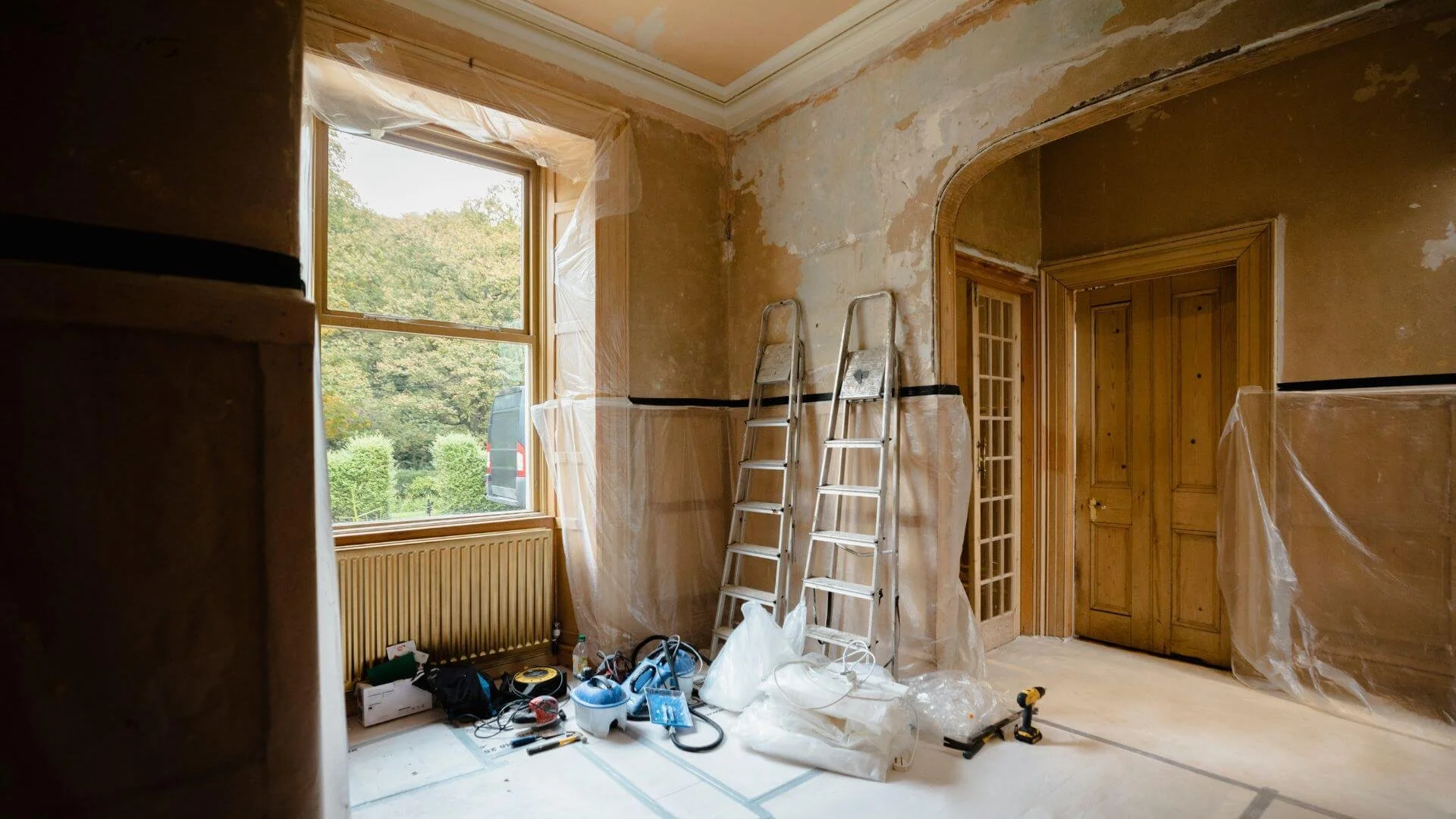
The part nobody puts in the brochure
Everyone loves the after photo.
The gleaming countertops. The open floor plan. The kitchen that looks like it belongs in a magazine.
What nobody talks about is everything that happens before that photo exists. The decisions made in month one that either set the project up or quietly unravel it. The costs that don't show up on the mood board. The logistics that make grown adults want to cry in a Home Depot parking lot.
The beautiful result is real. But it's just the tip.
Here's what's underneath.
The budget items nobody budgets for
Most renovation budgets are built around the things you can see. Cabinets. Tile. Appliances. Fixtures. The stuff you've been saving on your phone for months.
The expenses that cause the most stress are almost always the ones that never make it into the mood board.
The contingency fund. Build at least 15 to 20 percent into your budget before you spend a dollar on anything else. Not because something will definitely go wrong. Because construction is one of the few industries where uncertainty is part of the process. Older homes especially. Open a wall and you might find water damage, outdated wiring, mold, structural surprises, or evidence of repairs done by someone who had no business doing them. Hoping for the best is not a financial strategy.
Scope creep. This is the quiet budget killer. It doesn't usually happen through one big decision. It happens through dozens of small ones. While we're replacing the cabinets, maybe we should redo the floors. While the walls are open anyway, maybe we should rewire the lighting. While we're at it. While we're at it. While we're at it. Individually, each decision sounds reasonable. Collectively, they can add tens of thousands of dollars to a project before you've noticed what happened.
Permits and inspections. Skipping them looks like a shortcut. It isn't. Depending on your municipality and project scope, you may need permits for electrical work, plumbing, structural changes, window replacements, HVAC modifications. The fees vary. The timelines vary. And if corrections are required before approval, your whole project waits.
Infrastructure surprises. A new kitchen can reveal that your electrical panel needs upgrading. A bathroom renovation can uncover plumbing that should have been replaced a decade ago. These are the expenses that never appear in the inspiration photos, but they're often the most important investments you'll make in the house.
The logistics everyone underestimates
Living in a construction zone sounds manageable until you're actually doing it.
If your kitchen is offline for six weeks, what is the actual plan? Not the vague plan. The actual one. Where are you cooking? Where are you washing dishes? What are the kids eating for dinner on a Tuesday?
A microwave station, a mini fridge, a portable cooktop, and a lot of paper plates will get you through it. But you have to think through it in advance, or the disruption compounds everything else.
The same goes for pets and children. Construction zones involve:
Exposed nails and sharp tools
Chemical fumes
Constant noise
Open subfloors
Many families arrange temporary boarding or off-site stays during the heaviest phases. This is not overreacting. This is planning.
And then there's decision fatigue. Nobody warns you about this one. A renovation can require hundreds of micro-decisions in a very compressed window of time:
Grout color
Outlet placement
Faucet finish
Cabinet hardware
Paint sheen
Tile layout
Lighting temperature
None of these are individually enormous. Together, they become genuinely exhausting. Many homeowners don't feel the weight of the emotional workload until they're deep inside the project and running on empty.
Plan for that too.
The professionals worth paying for
Skipping professional planning looks cheaper at the start. It rarely stays that way.
That open-concept layout you've been imagining might involve more than removing a wall. Many walls carry roof loads, floor systems, or structural framing. Taking them down may require:
Engineered beams and posts
Footing reinforcement
Structural calculations
Additional permits
Sometimes the wall can come down easily. Sometimes it can't, at least not without a number that changes the whole conversation. Find out before demo day.
Your contractor agreement deserves the same scrutiny. A vague contract is one of the fastest ways for a project to spiral. Before you sign anything, make sure you understand:
The payment schedule
Cleanup responsibilities
Timeline expectations
How change orders work
Who manages subcontractors
What warranty coverage looks like
The goal isn't distrust. The goal is clarity. Those are different things.
And order your materials earlier than you think you need to. Some tiles, fixtures, and appliance packages take eight to twelve weeks or longer for custom orders. That perfect faucet might not be available when your contractor needs it. Ordering late can stall an entire renovation sequence and cost you more in contractor standby time than the product itself.
Your neighbors are part of this too
Your renovation affects more people than just your household.
If you live in an HOA, check the approval requirements before you commit to anything. Items that may require sign-off before work begins:
Exterior paint colors
Roofing materials
Fencing
Window replacements
Home additions
Landscaping changes
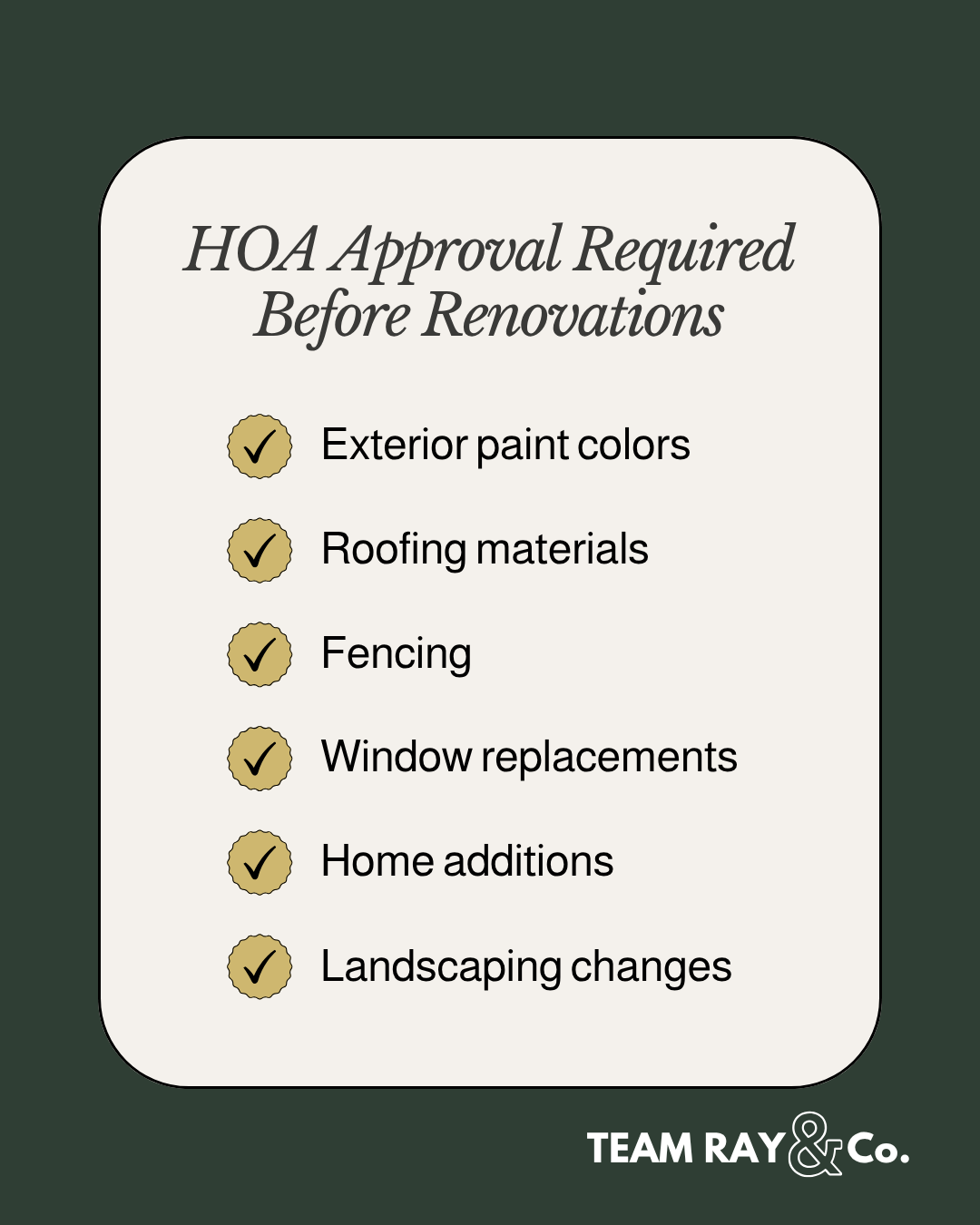
Ignoring that process can mean fines or being forced to undo work you already paid for.
Even without an HOA, a simple conversation with your neighbors before demo starts buys more patience than you'd expect. Construction brings noise, dust, contractor traffic, and early morning activity. People tolerate a lot more when they felt considered in advance.
Don't forget the dumpster. Where does it go? Does a street permit require it? Will it block traffic? How long can it stay? Debris removal is part of the project, not an afterthought.
Not every renovation pays off the same way
This is the one people most don't want to hear.
A $100,000 luxury kitchen in a neighborhood where comparable homes sell for $450,000 is not an investment. It's a lifestyle choice. There's nothing wrong with lifestyle choices. But know which one you're making.
Buyers compare your home to the homes around it. Your renovation can meet the ceiling of your neighborhood. It cannot exceed it.
Trends are also worth thinking about before you commit. Ultra-specific design choices age faster than renovation loans. Timeless design, the kind that prioritizes function, simplicity, quality materials, and balance, tends to hold up because it was never chasing a moment in the first place. A home should still feel good five years from now. Not just photograph well today.
One last thing before demo day
Before you start, imagine the project has already gone wrong.
Not to scare yourself. To prepare yourself.
Ask: what went wrong?
Usually the answers are familiar:
Budget overruns
Poor communication
Materials that arrived late
Scope that crept beyond recognition
Permits nobody thought to pull
Disruption that wore everyone down
Expectations that were never realistic to begin with
Address those risks now, before the sledgehammer swings, and the whole thing gets considerably smoother.
The beautiful after photo is real.
But the renovation is won or lost in everything that comes before it.
