

Why Seattle Homeowners Are Finally Remodeling Smarter: The $35,000 Sweet Spot
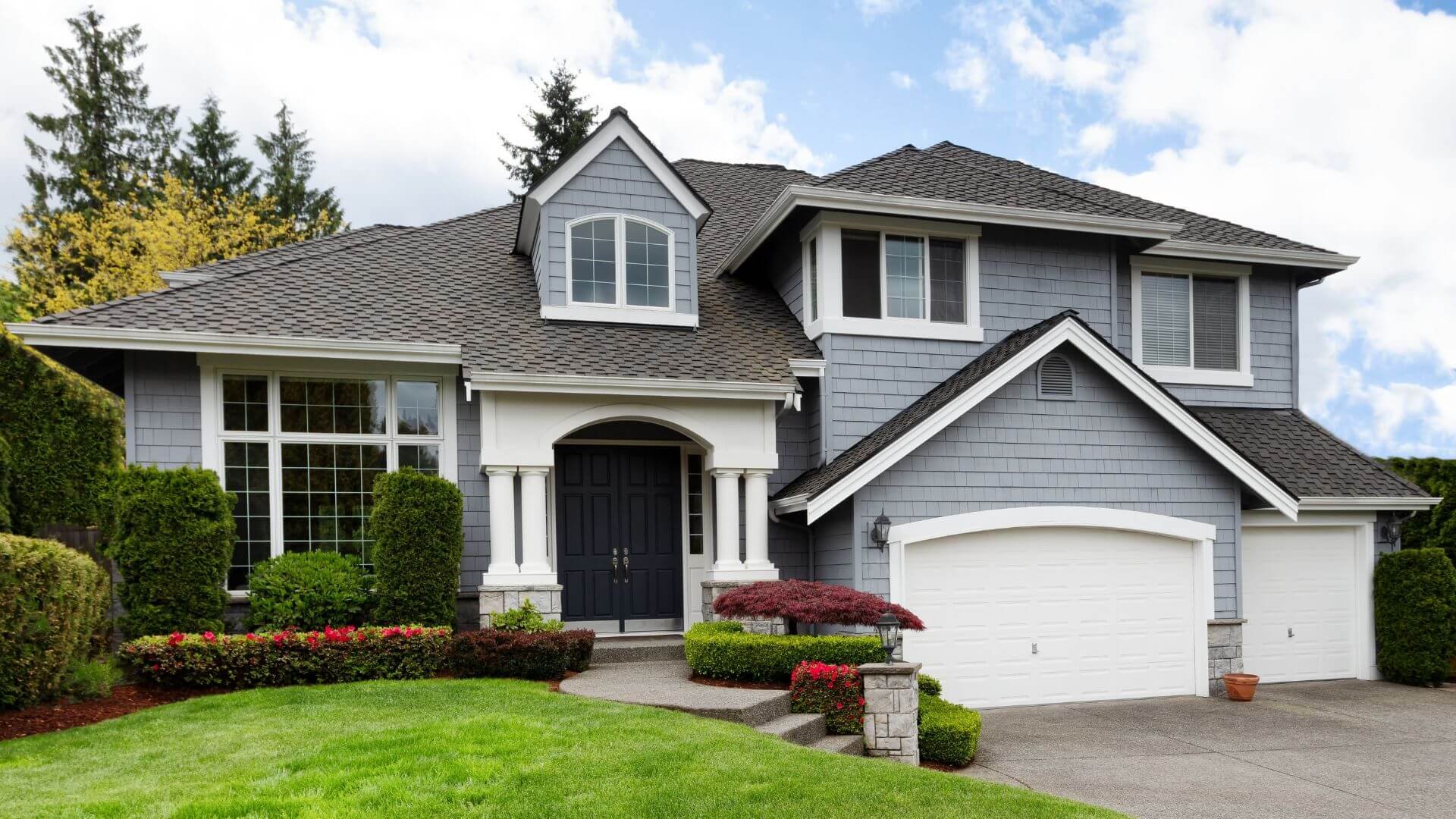
Here's something nobody tells you when you're getting ready to sell your house.
Bigger isn't better.
Not anymore.
For years, homeowners believed that if you spent more on your renovation, tore out the whole kitchen, moved the walls, redid the plumbing, you'd get more back at closing. It made sense on paper.
But the market changed. And a lot of people learned that lesson the hard way.
What's actually happening in Seattle right now
Seattle homes are sitting around $744,000 in value on average. That sounds like good news. But inventory is up almost 26% from last year, which means buyers have more choices than they used to.
More choices = more selective buyers.
And here's what selective buyers want in 2026: a home that's done.
Not a project. Not a list of "just needs some updating." Done.
After years of high interest rates and unpredictable contractor costs, most buyers don't want to inherit your renovation headache after closing. They want to move in. Set up their couch. Live their life.
That shift changes everything for sellers.
The problem with going big
Let's say you decide to go all in. Move the kitchen island, relocate the plumbing, add a bathroom, reconfigure the layout.
That's a major renovation. And in Seattle, that means permits.
The city recently introduced a new tool just to help people understand how long permits take, because the process had gotten so complicated that homeowners couldn't even figure out where they stood. Multiple departments review your application. Multiple rounds of revisions. Timelines that are hard to predict.
Six months of waiting isn't uncommon.
Six months is six more mortgage payments. Six more utility bills. Six months of not being able to list while the market keeps moving without you.
That's the risk nobody talks about when they're dreaming about a full gut renovation.
The smarter play
There's a different approach that contractors have been using quietly for years.
They call it "Pull-and-Replace."
The idea is simple: you transform what people see without touching the bones of the house.
Same layout. Same plumbing location. Same footprint.
But new countertops. Refinished cabinets instead of brand-new ones. A fresh backsplash. Updated lighting. Modern appliances. New floors. A little landscaping so the front of the house doesn't look like an afterthought.
The result? A home that feels completely different, without triggering a six-month permit process.
This is what the $35,000 range makes possible.
Why $35,000 specifically?

It's not a magic number. But it does hit a sweet spot.
For most Seattle homes, $35,000 represents roughly 4–5% of the home's value. That's typically enough to create noticeable improvements without crossing into over-improving for the neighborhood.
Why it works:
It's enough to make a real, visible difference.
It focuses on updates buyers actually notice.
It helps avoid spending money on improvements that won't pay you back.
It strikes a balance between investment and return.
When used strategically, that budget can often cover:
A minor kitchen refresh
New countertops
Updated fixtures
Fresh interior paint
Modern appliances
The goal isn't to renovate everything.
It's to improve the areas that have the biggest impact on buyer perception and purchasing decisions.
Some of the highest-return projects are often the simplest:
Fresh landscaping
Updated exterior details
Improved entryways
Enhanced curb appeal
Why? Because buyers start forming opinions before they ever step inside.
This isn't renovation for renovation's sake.
It's a targeted investment designed to increase appeal, reduce buyer objections, and position your home for stronger offers.
What buyers are really paying for
Here's the thing I want you to understand.
Buyers aren't just looking at your kitchen. They're doing math in their heads.
A dated home tells them:
There's more work coming.
More decisions to make.
More contractors to hire.
More money leaving their account before they can fully settle in.
An updated home tells them:
I can move in and enjoy the space right away.
I don't have to tackle a long list of projects.
I know what to expect.
This feels easy.
That feeling—the sense of ease, confidence, and predictability—is what often leads to:
Stronger offers
Faster closings
Fewer negotiations
Buyers who don't nickel-and-dime every inspection item
You're not just selling square footage.
You're selling peace of mind.
One thing to watch out for
Not every neighborhood rewards the same level of finish.
In places like Capitol Hill or Queen Anne, premium upgrades are often just the price of entry. Buyers expect them.
But if you're in a more transitional area, somewhere still finding its footing, installing $20,000 marble countertops in a $450,000 home might feel impressive but it may not come back to you at the closing table.
A good rule of thumb: keep your renovation budget under about 5% of your home's current market value.
Don't renovate for your dream buyer. Renovate for your neighborhood's buyer.
The bottom line
Seattle's market in 2026 is not asking you to build the most expensive version of your home.
It's asking you to build the clearest version of it.
Targeted. Finished. Ready.
The homeowners doing well right now aren't the ones who spent the most. They're the ones who identified exactly what mattered to today's buyers and did that, while everyone else was waiting on permits and second-guessing their contractor.
You don't have to tear everything out to win this market.
You just have to know where to put your money.
